Last year I reported that Frank Miller (author of the comic 300) was doing a prequel to the story of Thermopylae known as Xerxes. This year more information is starting to hit the media about the project, namely that there will be a movie based on the new comic called 300: The Battle of Artemisium, and that the comic (and hopefully movie) will co-star...Themistocles!
300: Battle of Artemisium
Personally I couldn't be more stoked about this. Sure, the 300 series is horribly inaccurate, and of course I don't blame people for being angry by the over-the-top portrayal of both sides, but hopefully this new project will get people interested in real history.
What do you think? Good idea? Bad idea? Interested? Do share!
Wednesday, July 27, 2011

Thursday, June 30, 2011
The Ancient Ecclesia: What's Old is New Again.
Has Greek history come full circle?
Today while reading about the protests in Greece (in which demonstrators have been gathering outside Athens' parliment building to protest austerity measures meant to stave off Greek insolvency), I came across this:
Every night [in Syntagma Square], the "people's assembly" gathers and decides, by a show of hands, what will be discussed. A volunteer and rotating "coordinating committee" then gives anybody who wants to speak a slip of paper with a number on it. Speakers speak for two minutes in the order numbers are drawn. The assembled then vote, with results quickly put up on a website.
What's startling about these organized meetings in Syntagma Square is that this is almost exactly what the Athenians used to do 2,500 years ago. Back then the men of the city (no women, slaves or non-citizens were allowed) would gather every week in an open space to discuss anything that affected their polis. The rotating "coordinating commitee" of today was then known as the Boule, a group of 500 citizens who set the agenda for the public assembly. The gathering place for this assembly--then known as the Ecclesia--was held on the Pynx, a rocky outcrop below the Acropolis. As with the protestors in Athens today, anybody in the Ecclesia could speak their mind on any topic, though instead of being given a number they would be given a wreath known as the Speaker's Wreath. After the speeches were finished, each item on the agenda would be voted on by a show of hands and the results posted in some sort of public forum (or at least the results were heard about from people hanging about around the market place).
Have the protestors in Syntagma Square taken a page from their ancestor's political playbook? It sure looks like it, and the ancient Ecclesia is not the only thing that they've taken their cues from. According to the same article, a group known as the "300" is collecting signatures to hold a referendum on the 110 billion euro bailout that saved Greece from bankruptcy last year in exchange for austerity. The "300" of course are named after the legendary Spartans who held their own against the massive Persian army at the battle of Thermopylae.
Although it's hard to say where Greece will go in the future, it's clear that modern Greeks are being influenced by their ancient past. I just hope that whatever happens in Greece, the result is a peaceful resolution that will be fair to everyone.
Today while reading about the protests in Greece (in which demonstrators have been gathering outside Athens' parliment building to protest austerity measures meant to stave off Greek insolvency), I came across this:
Every night [in Syntagma Square], the "people's assembly" gathers and decides, by a show of hands, what will be discussed. A volunteer and rotating "coordinating committee" then gives anybody who wants to speak a slip of paper with a number on it. Speakers speak for two minutes in the order numbers are drawn. The assembled then vote, with results quickly put up on a website.
What's startling about these organized meetings in Syntagma Square is that this is almost exactly what the Athenians used to do 2,500 years ago. Back then the men of the city (no women, slaves or non-citizens were allowed) would gather every week in an open space to discuss anything that affected their polis. The rotating "coordinating commitee" of today was then known as the Boule, a group of 500 citizens who set the agenda for the public assembly. The gathering place for this assembly--then known as the Ecclesia--was held on the Pynx, a rocky outcrop below the Acropolis. As with the protestors in Athens today, anybody in the Ecclesia could speak their mind on any topic, though instead of being given a number they would be given a wreath known as the Speaker's Wreath. After the speeches were finished, each item on the agenda would be voted on by a show of hands and the results posted in some sort of public forum (or at least the results were heard about from people hanging about around the market place).
Have the protestors in Syntagma Square taken a page from their ancestor's political playbook? It sure looks like it, and the ancient Ecclesia is not the only thing that they've taken their cues from. According to the same article, a group known as the "300" is collecting signatures to hold a referendum on the 110 billion euro bailout that saved Greece from bankruptcy last year in exchange for austerity. The "300" of course are named after the legendary Spartans who held their own against the massive Persian army at the battle of Thermopylae.
Although it's hard to say where Greece will go in the future, it's clear that modern Greeks are being influenced by their ancient past. I just hope that whatever happens in Greece, the result is a peaceful resolution that will be fair to everyone.
Wednesday, June 29, 2011
Themistocles & Aeschylus
Did Themistocles (mastermind of the Ancient Athenian navy) and Aeschylus (playwright extraordinaire) know each other? The answer is a probable...yes!
Aeschylus was born around 525 BCE, while Themistocles was born between 525 and 520 BCE. They both fought at Marathon, both fought at Salamis (in fact Themistocles was the architect of this famous battle) and both achieved ever-lasting fame in their lifetimes. But is there any evidence that they knew each other personally? And if so, were they friends?
The odds of them having crossed paths is more than likely considering they were in the same battles and probably ran with similar crowds. Yet there's scance evidence of direct contact...except for a small (if suspiciously belated) clue. According to the 21 Letters of Themistocles, one of his friends was named Aeschylus! Here is the letter as translated by Patricia A. Rosenmeyer:
To Aeschylus
After leaving Athens and arriving in Delphi, I decided that, if the Athenians allowed it, I would settle down to live there. On the way I bumped into some friends of mine from Argos: Nicias and Meleager, as well as Eucrates, who had recently spent time in Athens. They stood around asking me questions, and when they learned about my ostracism, they immediately grew angry and blamed the Athenians in particular. When they realized I was planning on settling in Delphi, they stopped accusing the Athenians and began reporoaching me, saying they would be insulted if I didn't accept them as suitable people to share my bad luck. They also pointed out that my father Neocles had lived for a long time in Argos, and that I shouldn't dishonor the memory of his love for Argos and his Argive friends. They also went so far as to praise the Athenians for making me pay an approriate penalty. Finally they urged me to honor them with more than just an accidental encounter, and not to insult the good luck of our meeting up. Then again they pointed to the example of Neocles, saying how appropriate it would be for me to live in the same city and home as my father once had. So, Aeschylus, they convinced me and took me to Argos. Now that I've stopped fleeing and landed in Argos, I'm suffering greatly because I won't agree to rule the Argives. They want to force me to rule, and claim that I'm acting unjustly towards them if I don't assume power. But I'm perfectly happy not being considered to be a great man, and not just because I've already been hurt, by that reputation, but also because it's enough for me to have benefited from those things when I had to.
It is also supposed by some that Aeschylus' The Persians and its mention of Salamis was the playwright's way of reminding the Athenians that they owened Themistocles a debt. (Though according to some sources, Themistocles already financed a play called The Phoenissae,which also happens to celebrate the Battle of Salamis and in fact predates The Persians. )
In any case, Aeschylus and Themistocles were certainly aware of each other, and the playwright is going to be a part of my novel for sure!
Aeschylus was born around 525 BCE, while Themistocles was born between 525 and 520 BCE. They both fought at Marathon, both fought at Salamis (in fact Themistocles was the architect of this famous battle) and both achieved ever-lasting fame in their lifetimes. But is there any evidence that they knew each other personally? And if so, were they friends?
The odds of them having crossed paths is more than likely considering they were in the same battles and probably ran with similar crowds. Yet there's scance evidence of direct contact...except for a small (if suspiciously belated) clue. According to the 21 Letters of Themistocles, one of his friends was named Aeschylus! Here is the letter as translated by Patricia A. Rosenmeyer:
To Aeschylus
After leaving Athens and arriving in Delphi, I decided that, if the Athenians allowed it, I would settle down to live there. On the way I bumped into some friends of mine from Argos: Nicias and Meleager, as well as Eucrates, who had recently spent time in Athens. They stood around asking me questions, and when they learned about my ostracism, they immediately grew angry and blamed the Athenians in particular. When they realized I was planning on settling in Delphi, they stopped accusing the Athenians and began reporoaching me, saying they would be insulted if I didn't accept them as suitable people to share my bad luck. They also pointed out that my father Neocles had lived for a long time in Argos, and that I shouldn't dishonor the memory of his love for Argos and his Argive friends. They also went so far as to praise the Athenians for making me pay an approriate penalty. Finally they urged me to honor them with more than just an accidental encounter, and not to insult the good luck of our meeting up. Then again they pointed to the example of Neocles, saying how appropriate it would be for me to live in the same city and home as my father once had. So, Aeschylus, they convinced me and took me to Argos. Now that I've stopped fleeing and landed in Argos, I'm suffering greatly because I won't agree to rule the Argives. They want to force me to rule, and claim that I'm acting unjustly towards them if I don't assume power. But I'm perfectly happy not being considered to be a great man, and not just because I've already been hurt, by that reputation, but also because it's enough for me to have benefited from those things when I had to.
It is also supposed by some that Aeschylus' The Persians and its mention of Salamis was the playwright's way of reminding the Athenians that they owened Themistocles a debt. (Though according to some sources, Themistocles already financed a play called The Phoenissae,which also happens to celebrate the Battle of Salamis and in fact predates The Persians. )
In any case, Aeschylus and Themistocles were certainly aware of each other, and the playwright is going to be a part of my novel for sure!
Thursday, June 09, 2011
Ancient Greek Recipes!

The Complete Greek Cookbook by Theresa Karas Yianilos is one of those charming little cookbooks you can only find these days in used bookstores. Published in MCMLXX according to the front page (1970), The Best From 3000 Years of Greek Cooking is an easy and enjoyable read. The recipes contained within really do cover the span of 3000 years of brilliant Greek cooking, and each recipe is presented with both its history and a surprisingly easy-to-follow list of instructions (though ingredients like camel may be hard to find these days).
Below are a few ancient recipes taken from the book that not only sound delicious, but are full of interesting facts!
Archaic Bread
The earliest kind of Greek bread was a simple, flat, hard crusted hearth bread, coarse and heavy because the barley flour used in it had a low gluten content. This ancient recipe, described tby Athenaeus in a third century book on cookery is still followed in the Near East.
2 cups warm water or scalded milk cooled to lukewarm
2 teaspoons salt
1 tablespoon honey
2 tablespoons olive oil
2 tablespoons barley meal
6 cups flour, barley or stone ground whole wheat
Mix all ingredients except flour into a 2 quart jar. Place jar in a pan of hot water and let stand in a warm place free of drafts until fermentation begins--aproximately twelve hours or more. Replace hot water every 4 hours. Mix in 2 cups of the flour. Set aside once again in a warm place. Replace hot water in pan. A sponge should be formed in 4 to 6 hours. Put 4 cups flour in a bowl, make a well, and add sponge. Kneed well, lightly dusting your hands with flour until dough is smooth. Shape and put into oiled loaf pan. Cover with damp towel and place in a draft-free place to rise for 4 to 6 hours. It will not rise as high as modern breads. Bake in preheated over at 375 F. for 10 minutes. Reduct to 350 F. 50 minutes.
Boned Oysters
This recipe comes from Chares of Mytilene, Lesbos, an historian of the 3rd Century.
"Use only the large Asiatic oysters caught in the Indian Ocearn, Black Sea, or the Persian and Arabian gulfs. Use the delicious white meat only. Discard the round white bone sometimes discovered inside theshell--or give it to some Persian. They seem to prefer these bones to gold; they call them 'pearls'."
1 dozen oysters, fresh or frozen
1 cup flour
1/2 cup oil
salt and pepper to taste
Drain liquid from jar. Roll in flour. Heat it until hot in a large frying pan. Fry oysters on medium-high heat for 5 minutes turning over once. Sprinkle with seasonings and serve.
Athenian Cheese Cake
Thousand of years ago, the respected Greek poet and gourmet, Archestratus wrote "Forget all other dessert, there is only one: the Athenian cheese cake with Attica honey from Hymettus."
Filling:
4 eggs, separated
12/ cup honey or sugar
1 lemon, juice and rind
1/2 cup flour
1 pond pot cheese, either small curd cottage, hoop mezithra or cream
1 cup sour cream or yogurt
Crust:
1 cup crumbs from zwiback rusks, cookies or graham crackers
1/4 cup ground walnuts or almonds
2 tablespons oil or butter
In a large bowl, beat egg whites until stiff (with a sprinkle of salt). In a blender blend yolks, honey, lemon juice, rind, floud and cheese for a few seconds. Fold batter into egg whites using spatula. Fold in sour cream. In a separate bowl mix crumbs and nuts together. Grease the bottom and sides of a large cake pan or spring-form cake pan. Spread crumbs over bottom and sides. Pour mixture in cake pan and bake at 325 F. for 45 minutes. Chill in cake pan 6 hours before cutting and serving.
Spiced Wine Hippocrates
This is a prescirption concoted by the great physician Hippocrates who lived in the fifth century BC. He even invented a bag in which to filter his wine!
Serves 6
1 quart wine, red or white
1 cup honey
3 cloves
1 teaspoon cinnamon
1/2 teaspoon allspice
1 teaspoon orange peel
Mix all ingredients and heat slowly over low heat. Strain into decanter or cup.
Roast Camel Aristotle
In ancient Greece camel was served to royalty. Aristophanes mentions camel meat in his writings, and Aristotle praises it as being tasty.
Allow 1 pound meat per person: hump, stomach, or feet
Marinade:
1 cup olive oil
Juice of 2 lemons
2 garlic cloves
1 tablespoon oregano
cumin and coriander
Mix marinade ina bowl. Marinade camel for four hours turning meat over if skewered.
Spoon sauce over meat if left whole. Bake for 2 to 3 hours at 325 F. or allow 30 minutes per pound.
The Complete Greek Cookbook contains 300 delicious recipes that with time and patience can be mastered by anyone. It's a great introduction to Greek cooking and full of awesome historical facts that will not only appease your inner chef, but your inner historican as well. :)
Monday, May 09, 2011
More Awesome Books on Greece!
I apologize for not updating more regularly, Gentle Readers. Sometimes I go through peaks and valleys with my writing, and lately I'm not sure where my enthusiasm ran off to. As always when this happens, I try to look for something that will inspire me. And so I headed to a nearby used bookstore for ideas, and look what I found!

One is a Greek cookbook that contains both ancient and modern Greek meals (I've already highlighted all sorts of interesting recipes), and the other is a book exploring how certain tales out of Greek mythology may have reflected the turbulant real-life relations between family members in ancient times.
I'm also looking forward to getting this book in the mail:
The First Clash: The Miraculous Greek Victory at Marathon and Its Impact on Western Civilization
It's written by Jim Lacey, a military historian and a combat veteran. I'm hoping his research will help me understand the layout of Marathon better and what it was actually like to fight there. (The Battle of Marathon is the opening chapter of my story, and despite having other books on the subject it's been a real struggle for me to write about.)
More thoughts and updates coming soon!

One is a Greek cookbook that contains both ancient and modern Greek meals (I've already highlighted all sorts of interesting recipes), and the other is a book exploring how certain tales out of Greek mythology may have reflected the turbulant real-life relations between family members in ancient times.
I'm also looking forward to getting this book in the mail:
The First Clash: The Miraculous Greek Victory at Marathon and Its Impact on Western Civilization
It's written by Jim Lacey, a military historian and a combat veteran. I'm hoping his research will help me understand the layout of Marathon better and what it was actually like to fight there. (The Battle of Marathon is the opening chapter of my story, and despite having other books on the subject it's been a real struggle for me to write about.)
More thoughts and updates coming soon!
Monday, April 11, 2011
Themistocles in Love (Part 2).
As I stated in my previous blog, moving Themistocles' love interest to the front and center of my novel has done wonders for my plot. Archippe gives my hero a reason for doing everything from attacking Aegina to fighting off Persia. Marrying her is the goal to which Themistocles aspires, and he'll do anything and everything to obtain that goal. But who was Archippe, really?

Archippe: What's in a Name?
According to Plutarch, Archippe was the daughter of Lysander of Alopece and the mother of at least three of Themistocles' living sons. We know very little about her, but we can deduce from both her deme (Alopece was the headquarters of the rich and influential Alcmaeonidae) and her name (Archippe means something like "horse master" or "dominant mare")that she was part of a wealthy family. We also know that she was Themistocles' first wife, because the statesmen was reported to have married another woman later in his life by whom he had several daughters. What happened to Archippe remains a mystery; other than her deme, father's name and her role as Themistocles wife, very little is known about her.
Having a character with unclear origins can be both a blessing and a curse. It's hard to historically tie someone like Archippe into the larger scheme of things because so little is known about her. The good news is that because so little is known about her, I can make up whatever I want! Thus I decided to connect Archippe to a minor branch of the Eteoboutadai clan, which is a great way to introduce her not only as an important person in Themistocles' life, but also as an important person in Athens.
The Eteoboutadai
The Eteoboutadai were one of the oldest and most prestigious families in Ancient Athens. Named after the hero Boutes (brother of Athens' first king Erechtheus), the Eteoboutadai were decedents of Bronze Age royalty and were in charge of the cult of Poseidon-Erechtheus and Athena-Polias. According to Pausanias, one wall of the Erechtheion even had portraits of the family on it. In short, this was one of if not the most important clans in all of Athens.
Alas, the chances of Archippe actually being associated with the family are slim. Her deme of Alopace was associated with the Antiochides (at least post-democratic reform) and the Eteoboutadai were associated with other areas in and around Athens. Still, because Alopece was an aristocratic deme and Archippe clearly of a good family, it is possible that Archippe was related to the Eteoboutadai through the course of various marriages.
The Girl from Alopece
Whoever Archippe was, she was important enough to have her name remembered by historians, which was a rare thing for Ancient Athenian women. How she felt about Themistocles is unknown, but her being the mother of possibly five of Themistocles' many children points to a healthy love life, at least at some point during their marriage. Personally I'd like to think that they loved each other, but I assure you that in my story Themistocles is going to have to work hard to get the girl! ;)

Archippe: What's in a Name?
According to Plutarch, Archippe was the daughter of Lysander of Alopece and the mother of at least three of Themistocles' living sons. We know very little about her, but we can deduce from both her deme (Alopece was the headquarters of the rich and influential Alcmaeonidae) and her name (Archippe means something like "horse master" or "dominant mare")that she was part of a wealthy family. We also know that she was Themistocles' first wife, because the statesmen was reported to have married another woman later in his life by whom he had several daughters. What happened to Archippe remains a mystery; other than her deme, father's name and her role as Themistocles wife, very little is known about her.
Having a character with unclear origins can be both a blessing and a curse. It's hard to historically tie someone like Archippe into the larger scheme of things because so little is known about her. The good news is that because so little is known about her, I can make up whatever I want! Thus I decided to connect Archippe to a minor branch of the Eteoboutadai clan, which is a great way to introduce her not only as an important person in Themistocles' life, but also as an important person in Athens.
The Eteoboutadai
The Eteoboutadai were one of the oldest and most prestigious families in Ancient Athens. Named after the hero Boutes (brother of Athens' first king Erechtheus), the Eteoboutadai were decedents of Bronze Age royalty and were in charge of the cult of Poseidon-Erechtheus and Athena-Polias. According to Pausanias, one wall of the Erechtheion even had portraits of the family on it. In short, this was one of if not the most important clans in all of Athens.
Alas, the chances of Archippe actually being associated with the family are slim. Her deme of Alopace was associated with the Antiochides (at least post-democratic reform) and the Eteoboutadai were associated with other areas in and around Athens. Still, because Alopece was an aristocratic deme and Archippe clearly of a good family, it is possible that Archippe was related to the Eteoboutadai through the course of various marriages.
The Girl from Alopece
Whoever Archippe was, she was important enough to have her name remembered by historians, which was a rare thing for Ancient Athenian women. How she felt about Themistocles is unknown, but her being the mother of possibly five of Themistocles' many children points to a healthy love life, at least at some point during their marriage. Personally I'd like to think that they loved each other, but I assure you that in my story Themistocles is going to have to work hard to get the girl! ;)
Saturday, March 26, 2011
Themistocles in Love (Part 1).
A few weeks ago I touched upon the importance of motivation in a story. What DRIVES someone to do what they do? After talking with my sister, I realized that Themistocles didn't have a clear motive in my novel. He had a goal of sorts: to be the leader of Athens. The why of it however eluded me. Why not? I thought. Of course that wasn't good enough. Something is behind that ambition. Something is pushing him. Hard. And then I realized that the something is actually someone. That someone is a girl named Archippe.
Since the earliest drafts my novel, Archippe (mentioned briefly in Plutarch as the wife of Themistocles) always figured into things. Even as my story changed over the years she was always there in some form, either as the bitchy, bossy wife or the demure caretaker. When I realized that she's more important to the story than I originally gave her credit for, I decided to move Archippe from the sidelines into the spotlight. And as easy as that even the most elusive elements of my story started to fall into place!
Things like Themistocles' rivalry with Aristides. The war with Aegina. The ousting of several political rivals. The growing tension with Sparta. The war with Persia. It's positively startling how clear things are now that I have something that really DRIVES Themistocles to do what he does. You may argue this revelation is really just Writing 101, and you'd be right, but it's amazing how easy it is to overlook the basics when trying to write something you hope will be epic.
Now I admit that love seems like a cliche reason to do anything. But I promise you that Themistocles' methods are anything but orthadox! He'll lie, cheat, steal and swindle to get what he wants. But in the end it's hard not to cheer for someone who wants to obtain something as pure as love. Even if he has to step on a couple of necks to do it...
BTW, for fun I'll link to a chapter in my original story The Owl & The Eagle. It's told from the PoV of Archippe. Pardon the spelling errors. :p
Since the earliest drafts my novel, Archippe (mentioned briefly in Plutarch as the wife of Themistocles) always figured into things. Even as my story changed over the years she was always there in some form, either as the bitchy, bossy wife or the demure caretaker. When I realized that she's more important to the story than I originally gave her credit for, I decided to move Archippe from the sidelines into the spotlight. And as easy as that even the most elusive elements of my story started to fall into place!
Things like Themistocles' rivalry with Aristides. The war with Aegina. The ousting of several political rivals. The growing tension with Sparta. The war with Persia. It's positively startling how clear things are now that I have something that really DRIVES Themistocles to do what he does. You may argue this revelation is really just Writing 101, and you'd be right, but it's amazing how easy it is to overlook the basics when trying to write something you hope will be epic.
Now I admit that love seems like a cliche reason to do anything. But I promise you that Themistocles' methods are anything but orthadox! He'll lie, cheat, steal and swindle to get what he wants. But in the end it's hard not to cheer for someone who wants to obtain something as pure as love. Even if he has to step on a couple of necks to do it...
BTW, for fun I'll link to a chapter in my original story The Owl & The Eagle. It's told from the PoV of Archippe. Pardon the spelling errors. :p
Friday, March 11, 2011
Japan Earthquake (How to Help).
By now most of you know about the terrible earthquake and tsunami that hit off the north-east coast of Japan yesterday. I have friends there and luckily they are alright, but many people are devastated by this disaster. If you would like to help the people of Japan, many non-profit groups are asking for donations. For a complete list of these organizations, please click on this link.
Let's keep the people of Japan in our thoughts and prayers, and send them lost of positive vibes.
Let's keep the people of Japan in our thoughts and prayers, and send them lost of positive vibes.
Sunday, March 06, 2011
Motive.
Last weekend I had a really great talk with my sister about my Themistocles novel. Talking with her, I learned something was missing from my novel: motivation. No, really. What drove Themistocles to do what he did and be willing to gamble everything on it? What made him decide to spend money on a navy instead of spreading the wealth among the citizens of Athens? What made him decide to risk staying at Salamis instead of retreating to Corinth when the Persians were invading Greece?
I tried to explain that in my novel Themistocles learns about naval tactics by talking with merchants, sailors and rowers. Even though he's a hoplite he has a curiosity about the ocean. My sister shook her head. "No, no, no! He must have learned it through experience. Something happened. Something that drove him to build a navy and command it!"
Which I now realize is exactly right. Themistocles' convictions about naval tactics were SO strong in 480 BCE he MUST have experienced them first hand. And so I decided to think carefully about what could have convinced Themistocles to gamble everything on the sea. What experience did he have before the battles of Artemisium and Salamis?
I think I have an idea...
More soon!
I tried to explain that in my novel Themistocles learns about naval tactics by talking with merchants, sailors and rowers. Even though he's a hoplite he has a curiosity about the ocean. My sister shook her head. "No, no, no! He must have learned it through experience. Something happened. Something that drove him to build a navy and command it!"
Which I now realize is exactly right. Themistocles' convictions about naval tactics were SO strong in 480 BCE he MUST have experienced them first hand. And so I decided to think carefully about what could have convinced Themistocles to gamble everything on the sea. What experience did he have before the battles of Artemisium and Salamis?
I think I have an idea...
More soon!
Sunday, January 23, 2011
Writing Update.
Hello, Gentle Readers!
Sorry I've been MIA, but I've been busy with work, voice acting and playing video games like Mass Effect 2. :)
That's not to say I've given up on my writing. In fact, I think I may have stumbled upon a great idea for my Themistocles novel. Why not start it at the Battle of Marathon? I think that would provide an exciting opening, and allow me to guide the reader through the most interesting parts of Themistocles' life with a few flashbacks to fill in his background. It would tighten up the story and keep the pace fast and furious. I've also found an additional motivation for his climb to the top: Archippe.
Archippe was the real-life wife of Themistocles and the daughter of a noble who may have been related to Aristides (my theory--they were from the same area). Archippe was probably out of reach to Themistocles until he was able to establish a name for himself, especially since he was half foreign and not from a well-known family. I think this gives the novel a bit of romance and fun, and an additional motivation for Themistocles to be the best man in Athens.
What do you guys think? Is starting the novel at Marathon a good idea? What about Archippe? Would that be something you'd be interested in reading about?
Sorry I've been MIA, but I've been busy with work, voice acting and playing video games like Mass Effect 2. :)
That's not to say I've given up on my writing. In fact, I think I may have stumbled upon a great idea for my Themistocles novel. Why not start it at the Battle of Marathon? I think that would provide an exciting opening, and allow me to guide the reader through the most interesting parts of Themistocles' life with a few flashbacks to fill in his background. It would tighten up the story and keep the pace fast and furious. I've also found an additional motivation for his climb to the top: Archippe.
Archippe was the real-life wife of Themistocles and the daughter of a noble who may have been related to Aristides (my theory--they were from the same area). Archippe was probably out of reach to Themistocles until he was able to establish a name for himself, especially since he was half foreign and not from a well-known family. I think this gives the novel a bit of romance and fun, and an additional motivation for Themistocles to be the best man in Athens.
What do you guys think? Is starting the novel at Marathon a good idea? What about Archippe? Would that be something you'd be interested in reading about?
Sunday, January 02, 2011
The Pericles Commission Book Review.
"A dead man fell from the sky, landing at my feet with a thud."
And so begins The Pericles Commission, an exciting, fast-paced and surprisingly humorous political thriller set in Ancient Athens.
Written by the very talented Gary Corby, The Pericles Commission follows the investigation of Nicolaos, (son of Sophroniscus and elder brother of a very young Socrates) who is commisioned by Pericles (yes, THAT Pericles) to find out who killed Ephialtes, the flying dead man from the above passage and leader of Athens' fledgling democracy. Nicolaos' investigation ends up taking him all over Athens as he looks for clues, and even has him making friends as well as enemies in both high and low places. The odds are stacked against Nicolaos from the beginning, but with perseverance and a little help from an unlikely ally or two, Nicolaos is able to navigate the dark underbelly of Athenian politics. What he finds however is a conspiracy larger than he could ever have imagined...
There are three things that I absolutely love about this book. One is the pacing. It's fast-paced and never dull, while still managing to be a robust 322 pages long. Two is the attention to detail. I felt like I was back in Athens and could easily visualize the people and places. Third is the humor sprinkled about the story. It helps lighten the otherwise dark tale of murder, mystery and mayhem (lots of mayhem!). If there is anything to nitpick, it's that a couple of events stretch crudulity. Luckily these events were so entertaining to read that I didn't mind at all. Gary Corby knows how to show the reader a good time.
The Pericles Commission is a fun and educational read, and everyone who loves Ancient Greece should snap up a copy. I myself am looking forward to the next entry in the series, as a certain wily politician that I just happen to like may make an appearence...
And so begins The Pericles Commission, an exciting, fast-paced and surprisingly humorous political thriller set in Ancient Athens.
Written by the very talented Gary Corby, The Pericles Commission follows the investigation of Nicolaos, (son of Sophroniscus and elder brother of a very young Socrates) who is commisioned by Pericles (yes, THAT Pericles) to find out who killed Ephialtes, the flying dead man from the above passage and leader of Athens' fledgling democracy. Nicolaos' investigation ends up taking him all over Athens as he looks for clues, and even has him making friends as well as enemies in both high and low places. The odds are stacked against Nicolaos from the beginning, but with perseverance and a little help from an unlikely ally or two, Nicolaos is able to navigate the dark underbelly of Athenian politics. What he finds however is a conspiracy larger than he could ever have imagined...
There are three things that I absolutely love about this book. One is the pacing. It's fast-paced and never dull, while still managing to be a robust 322 pages long. Two is the attention to detail. I felt like I was back in Athens and could easily visualize the people and places. Third is the humor sprinkled about the story. It helps lighten the otherwise dark tale of murder, mystery and mayhem (lots of mayhem!). If there is anything to nitpick, it's that a couple of events stretch crudulity. Luckily these events were so entertaining to read that I didn't mind at all. Gary Corby knows how to show the reader a good time.
The Pericles Commission is a fun and educational read, and everyone who loves Ancient Greece should snap up a copy. I myself am looking forward to the next entry in the series, as a certain wily politician that I just happen to like may make an appearence...
Monday, December 27, 2010
The Return of Cleomenes.
Happy Holidays, Everyone!
I hope you had a great time with family and friends, or at the very least enjoyed time by yourself and caught up on things like eating yummy food and curling up with a good book.I myself spent a very merry Christmas with my family and even texted friends with my new smart phone (a Samsung Fascinate). I've also done a lot of writing.
Still a bit stuck on my Themistocles novel, I found myself writing a story for a video game based on Heracles instead (more about that on a future blog). I also returned to a murder mystery I had started long ago about the death of King Cleomenes I of Sparta. Who is Cleomenes, you ask? Well...
Cleomenes was a very unusual ruler. Unlike other Spartan kings who were more or less hereditary generals, Cleomenes was an aggressive policy maker as well as a fearsome warrior. He bullied his allies, tried to kill off the fledgling democracy in Athens, bribed the Oracle at Delphi in order to get rid or a rival, burned down a sacred grove near Argos where enemy soldiers had taken refuge, and threw Persian messengers down a well after they demanded tokens of submission. This was a cunning and often unpredictible monarch.
Cleoemenes' death was as unusual as his life. After finally being caught bribing the Pythia at Delphi, he fled Sparta in an attempt to escape prosecution. Somehow the Spartans managed to coax him back into the polis, but by then his sanity had begun to slip, and he started poking passersby with his staff of office. The Spartans claimed they had no choice but to lock him up, leaving a helot (a sort of Spartan slave or serf) to watch over him. According to Herodotus, Cleomenes managed to somehow talk the helot into giving him a knife. Once the weapons was handed over Cleomenes then began to disembowel himself, dying a painful and gruesome death. Why the helot didn't stop him is unclear; perhaps he simply wasn't sorry to see his master go. In any case the Spartans ruled the king's death a suicide, blaming his madness and subsequent end on his excessive drinking habit. Apparently nobody challenged this rather dubious explanation (perhaps because most people outside Sparta simply assumed that his suicide was divine retribution for bribing the Oracle and burning down the sacred grove near Argos), and the matter of the king's death was soon forgotten in the face of an impending invasion by Persian forces.
My story starts after Cleomenes' death, and is told from the point of view of Orthryades, the king's closest companion and the only one willing to investigate the death as a crime. As he questions each suspect Orthryades starts having flashbacks of all of Cleomenes' wrong-doings and how they affected people, allowing the reader to understand how and why Cleomenes ended up with so many enemies.
By the end of the first few chapters the protagonist finds himself with a long list of suspects. There's Prince Leonidas (next in line for the Agiad throne), Prince Cleombrotus (also in line for the Agiad throne) King Demaratus (disposed Eurypontid king and rival to Cleomenes), King Leotychidas (current Eurypontid king who may have wanted to be rid of a difficult partner-in-crime), Prince Euryanax (son of Prince Dorieus, half-brother to Cleomenes who died overseas after an unsuccessful attempt to take the throne from his older sibling)and Dieneces (leader of Sparta's secret police and Demaratus' loyal right-hand man). There are also a lot of witnesses who may know more than they are letting on, including Princess Gorgo (daughter of Cleomenes and wife to Leonidas) and Prince Pausanias (son of Prince Cleombrotus).
At any rate, I'm pretty excited about revisiting this story. I think Cleomenes is one of Sparta's most fascinating kings and a murder mystery surrounding his death makes for a good tale. What do you guys think? Interesting? Boring? Confusing? Let me know in the comments section! (And don't worry, I'm still working on Themistocles' story!)
I hope you had a great time with family and friends, or at the very least enjoyed time by yourself and caught up on things like eating yummy food and curling up with a good book.I myself spent a very merry Christmas with my family and even texted friends with my new smart phone (a Samsung Fascinate). I've also done a lot of writing.
Still a bit stuck on my Themistocles novel, I found myself writing a story for a video game based on Heracles instead (more about that on a future blog). I also returned to a murder mystery I had started long ago about the death of King Cleomenes I of Sparta. Who is Cleomenes, you ask? Well...
Cleomenes was a very unusual ruler. Unlike other Spartan kings who were more or less hereditary generals, Cleomenes was an aggressive policy maker as well as a fearsome warrior. He bullied his allies, tried to kill off the fledgling democracy in Athens, bribed the Oracle at Delphi in order to get rid or a rival, burned down a sacred grove near Argos where enemy soldiers had taken refuge, and threw Persian messengers down a well after they demanded tokens of submission. This was a cunning and often unpredictible monarch.
Cleoemenes' death was as unusual as his life. After finally being caught bribing the Pythia at Delphi, he fled Sparta in an attempt to escape prosecution. Somehow the Spartans managed to coax him back into the polis, but by then his sanity had begun to slip, and he started poking passersby with his staff of office. The Spartans claimed they had no choice but to lock him up, leaving a helot (a sort of Spartan slave or serf) to watch over him. According to Herodotus, Cleomenes managed to somehow talk the helot into giving him a knife. Once the weapons was handed over Cleomenes then began to disembowel himself, dying a painful and gruesome death. Why the helot didn't stop him is unclear; perhaps he simply wasn't sorry to see his master go. In any case the Spartans ruled the king's death a suicide, blaming his madness and subsequent end on his excessive drinking habit. Apparently nobody challenged this rather dubious explanation (perhaps because most people outside Sparta simply assumed that his suicide was divine retribution for bribing the Oracle and burning down the sacred grove near Argos), and the matter of the king's death was soon forgotten in the face of an impending invasion by Persian forces.
My story starts after Cleomenes' death, and is told from the point of view of Orthryades, the king's closest companion and the only one willing to investigate the death as a crime. As he questions each suspect Orthryades starts having flashbacks of all of Cleomenes' wrong-doings and how they affected people, allowing the reader to understand how and why Cleomenes ended up with so many enemies.
By the end of the first few chapters the protagonist finds himself with a long list of suspects. There's Prince Leonidas (next in line for the Agiad throne), Prince Cleombrotus (also in line for the Agiad throne) King Demaratus (disposed Eurypontid king and rival to Cleomenes), King Leotychidas (current Eurypontid king who may have wanted to be rid of a difficult partner-in-crime), Prince Euryanax (son of Prince Dorieus, half-brother to Cleomenes who died overseas after an unsuccessful attempt to take the throne from his older sibling)and Dieneces (leader of Sparta's secret police and Demaratus' loyal right-hand man). There are also a lot of witnesses who may know more than they are letting on, including Princess Gorgo (daughter of Cleomenes and wife to Leonidas) and Prince Pausanias (son of Prince Cleombrotus).
At any rate, I'm pretty excited about revisiting this story. I think Cleomenes is one of Sparta's most fascinating kings and a murder mystery surrounding his death makes for a good tale. What do you guys think? Interesting? Boring? Confusing? Let me know in the comments section! (And don't worry, I'm still working on Themistocles' story!)
Thursday, December 09, 2010
Plot? What Plot?
SMMMMMACK!
Hear that? That's the sound of yours truly hitting the dreaded Writer's Block.
You see, I can't seem to go forward with my Themistocles novel. Why? The pacing is all wrong.
I read once that often people struggle with pacing because they don't have a concrete plot. My plot is about the rise and fall of Ancient Greece's best military strategist. It's a fictional autobiography. The idea is to cover his entire life (which was fascinating from beginning to end). Yet how can I do that when 80% of the story takes place in the MIDDLE of his life? I don't relish the idea of starting the tale during the Persian Wars. It strikes me as disjointed. Any ideas?
Help!
Hear that? That's the sound of yours truly hitting the dreaded Writer's Block.
You see, I can't seem to go forward with my Themistocles novel. Why? The pacing is all wrong.
I read once that often people struggle with pacing because they don't have a concrete plot. My plot is about the rise and fall of Ancient Greece's best military strategist. It's a fictional autobiography. The idea is to cover his entire life (which was fascinating from beginning to end). Yet how can I do that when 80% of the story takes place in the MIDDLE of his life? I don't relish the idea of starting the tale during the Persian Wars. It strikes me as disjointed. Any ideas?
Help!
Wednesday, December 01, 2010
Nano Fail.
Well, I pretty much failed NanoWriMo (poor Artemisia) but I'm still happy I tried. If nothing else this was good writing practice and inspired me to go back and take a look at another story I started but never finished (a murder mystery involving the uber-insane King Cleomenes I of Sparta). I've also had sufficient enough time away from my Themistocles novel to go back and see it with fresh eyes. So it looks like I have three novels I need to finish: I, Themistocles, Cleomenes and Queen of The Wine Dark Sea.
Next blog up is my review of The Pericles Commission. Here's a big hint: it's GOOD.
Next blog up is my review of The Pericles Commission. Here's a big hint: it's GOOD.
Thursday, November 18, 2010
NanoWriMo Report
Yes, I'm still writing my "Artemisia novel" for NanWriMo. It's not the most epic writing ever, but the idea is to get to the 50,000 word mark by November 30th. Truth be told, I may not make it. It's harder than you think to write an average of 1500 words or so a day. I can't seem to get past 500 and some days I'm too tired or unmotivated to put anything down. But I'm still working at it. At the very least this will give me enough time away from my Themistocles novel to go back and look at it with fresh eyes.
Speaking of novels on Ancient Greece, I've also finally gotten around to ordering The Pericles Commission off of Amazon! I and am super excited to read it because very few fiction writers write about Ancient Greece with a touch of humor. Not only that, but I've read reviews that exclaim how great Gary Colby is at making readers feel like they're actually in Ancient Athens. Good times!
And finally at some point I have to get around to playing Ghost of Sparta. I'm a huge God of War fan and IGN has given it a very positive review. Nice!
Speaking of novels on Ancient Greece, I've also finally gotten around to ordering The Pericles Commission off of Amazon! I and am super excited to read it because very few fiction writers write about Ancient Greece with a touch of humor. Not only that, but I've read reviews that exclaim how great Gary Colby is at making readers feel like they're actually in Ancient Athens. Good times!
And finally at some point I have to get around to playing Ghost of Sparta. I'm a huge God of War fan and IGN has given it a very positive review. Nice!
Thursday, November 11, 2010
Want To Win A Trip To Greece? Click Here!
Want to win a trip to Greece? Of course you do!
All you have to do is take the God of War Quiz on IGN and you'll be entered for a chance to win a vacation for two to Athens. You don't even have to get every answer right, so if you're not well-versed in Kratos lore you can still play to win. Go take the quiz. Now!
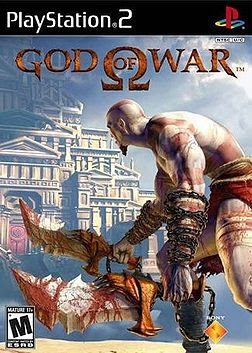
THIS. IS. KRATOS!
*In case you're wondering why I'm not entering I can't. I'm an employee of the company. But I'd love for someone who reads my blog to win and take lots of pictures for me! :D
All you have to do is take the God of War Quiz on IGN and you'll be entered for a chance to win a vacation for two to Athens. You don't even have to get every answer right, so if you're not well-versed in Kratos lore you can still play to win. Go take the quiz. Now!

THIS. IS. KRATOS!
*In case you're wondering why I'm not entering I can't. I'm an employee of the company. But I'd love for someone who reads my blog to win and take lots of pictures for me! :D
Friday, October 29, 2010
Entering Into The World of NaNoWriMo.
November is National Novel Writing Month, and I decided to join in on the fun in the hopes it will motivate me to write more and edit less. If you don't know what it is, here's a blurb from the website:
"National Novel Writing Month is a fun, seat-of-your-pants approach to novel writing. Participants begin writing November 1. The goal is to write a 175-page (50,000-word) novel by midnight, November 30.
Valuing enthusiasm and perseverance over painstaking craft, NaNoWriMo is a novel-writing program for everyone who has thought fleetingly about writing a novel but has been scared away by the time and effort involved.
Because of the limited writing window, the ONLY thing that matters in NaNoWriMo is output. It's all about quantity, not quality. The kamikaze approach forces you to lower your expectations, take risks, and write on the fly.
Make no mistake: You will be writing a lot of crap. And that's a good thing. By forcing yourself to write so intensely, you are giving yourself permission to make mistakes. To forgo the endless tweaking and editing and just create. To build without tearing down."
This year I've decided to focus on a novella involving Queen Artemisia of Halicarnassus, the first female naval commander in history. It's part historical fiction, part romance. I'll be updating the project both here and on the site, so look for that soon.

An idea of what Artemisia looks like to me.
In the meantime, I'm still working on my Themistocles novel, though it's going slower than I'd like. Themistocles needs more personal conflict in the beginning, which is hard because he's so young. Hopefully something will inspire me by participating in the above contest.
Speaking of which, I encourage you to join as well. It's a fun way to learn and a good way to meet people (though DON'T believe anyone who says they're an editor or agent looking to buy your book, especially if they ask for fees up front). You can access the site by clicking on the link above. :)
"National Novel Writing Month is a fun, seat-of-your-pants approach to novel writing. Participants begin writing November 1. The goal is to write a 175-page (50,000-word) novel by midnight, November 30.
Valuing enthusiasm and perseverance over painstaking craft, NaNoWriMo is a novel-writing program for everyone who has thought fleetingly about writing a novel but has been scared away by the time and effort involved.
Because of the limited writing window, the ONLY thing that matters in NaNoWriMo is output. It's all about quantity, not quality. The kamikaze approach forces you to lower your expectations, take risks, and write on the fly.
Make no mistake: You will be writing a lot of crap. And that's a good thing. By forcing yourself to write so intensely, you are giving yourself permission to make mistakes. To forgo the endless tweaking and editing and just create. To build without tearing down."
This year I've decided to focus on a novella involving Queen Artemisia of Halicarnassus, the first female naval commander in history. It's part historical fiction, part romance. I'll be updating the project both here and on the site, so look for that soon.

An idea of what Artemisia looks like to me.
In the meantime, I'm still working on my Themistocles novel, though it's going slower than I'd like. Themistocles needs more personal conflict in the beginning, which is hard because he's so young. Hopefully something will inspire me by participating in the above contest.
Speaking of which, I encourage you to join as well. It's a fun way to learn and a good way to meet people (though DON'T believe anyone who says they're an editor or agent looking to buy your book, especially if they ask for fees up front). You can access the site by clicking on the link above. :)
Monday, October 25, 2010
Blog Revisions
If you glance slightly to your right, you'll notice I'm making a few changes to my blog's format. See? -------------->
I thought it would be fun to organize my posts by labeling them more clearly. From now on, you can view my take on everything from Ancient Greece in movies to Ancient Greece in video games, as well as read book reviews or even pieces of my upcoming Themistocles novel. It's all still a bit messy of course, but at least I've labled most of my blog posts and added a couple of neat gadgets for people to look at.
Let me know what you think and what suggestions you might have!
I thought it would be fun to organize my posts by labeling them more clearly. From now on, you can view my take on everything from Ancient Greece in movies to Ancient Greece in video games, as well as read book reviews or even pieces of my upcoming Themistocles novel. It's all still a bit messy of course, but at least I've labled most of my blog posts and added a couple of neat gadgets for people to look at.
Let me know what you think and what suggestions you might have!
Sunday, October 10, 2010
More Buried Treasure.
Last week I told you how I stumbled upon a gem of a book I found at a used bookstore. This week I went back to said bookstore and found yet ANOTHER gem. This one is called Voyages in Classical Mythology, and I snatched it up for only $15.

Voyages in Classical Mythology is an encyclopedia that chronicles the voyages and adventures of 44 heroes and deities from Greek and Roman mythology. Besides recounting the tales of famous heroes like Herakles and Achilles, author Mary Snodgrass also covers the travels of lesser-known characters like Nauplius and Palinurus. Although this book doesn't directly help me with my Themistocles novel, it does sometimes explain the origins of certain place names in and around Attica/Athens which I find useful. For example, history tells us that Themistocles lived in an area of Athens called Melite. As it turns out, Melite was the name of a queen of Athens whom King Aegeus divorced because she bore him no children. It's the kind of fun fact I like to slip into my stories.
Each hero's story is broken down into four parts: genealogy and background, journey, alternate versions of the story and the symbolism behind the tale. This makes reading the book much easier to digest and allows the reader to keep everything straight in their head. There are even bullet points for heroes like Herakles who not only went everywhere but did everything.
It would have been nice if the book had focused on maybe ten heroes and really done an in-depth analysis of their travels around Greece and their influence on Ancient Greek culture, but this book is really meant as a basic encyclopedia of Ancient Greek and Roman deities and heroes and to be enjoyed by anyone of any age. At only $15 and full of interesting stories fun facts, Voyages in Classical Mythology is a good book to own.

Voyages in Classical Mythology is an encyclopedia that chronicles the voyages and adventures of 44 heroes and deities from Greek and Roman mythology. Besides recounting the tales of famous heroes like Herakles and Achilles, author Mary Snodgrass also covers the travels of lesser-known characters like Nauplius and Palinurus. Although this book doesn't directly help me with my Themistocles novel, it does sometimes explain the origins of certain place names in and around Attica/Athens which I find useful. For example, history tells us that Themistocles lived in an area of Athens called Melite. As it turns out, Melite was the name of a queen of Athens whom King Aegeus divorced because she bore him no children. It's the kind of fun fact I like to slip into my stories.
Each hero's story is broken down into four parts: genealogy and background, journey, alternate versions of the story and the symbolism behind the tale. This makes reading the book much easier to digest and allows the reader to keep everything straight in their head. There are even bullet points for heroes like Herakles who not only went everywhere but did everything.
It would have been nice if the book had focused on maybe ten heroes and really done an in-depth analysis of their travels around Greece and their influence on Ancient Greek culture, but this book is really meant as a basic encyclopedia of Ancient Greek and Roman deities and heroes and to be enjoyed by anyone of any age. At only $15 and full of interesting stories fun facts, Voyages in Classical Mythology is a good book to own.
Monday, October 04, 2010
Finding Buried Treasure.
These days it's very hard for me to find a book on Ancient Greece I don't already have. Every week I poke around Borders looking for something new on the subject, and every month I do a search on Amazon's massive website to see if I missed anything. Lately it seems the only books I don't have on Ancient Greece are ones I can't afford (some textbooks cost well over a hundred dollars). So imagine my surprise when I nonchalantly glided into a used book store the other day and found (gasp!) a book on Ancient Greece I'd never seen...for only seven bucks!
A History of The Greek City States 700-338 B.C. by Raphael Sealey is a great find. Published in 1976, this book gives a basic account of...well, the Greek city-states between 700-338 BCE. But what makes it stand out is the level of detail. The author dives into not only what happened but WHY. Take a look at this paragraph from Appendix A, which tries to explain some oddities in Cleisthenes' division of the trittyes, demes and tribes:
"Usually each trittys held a connected parcel of territory, but [D.M.] Lewis draws attention to some anomalies. Two of these are especially revealing. The first concerns the costal trittys of the tribe Pandionis. Most of this trittys lay in a block south of Brauron; but the deme Probalinthos, just south of Marathon, belonged to the same trittys, although seperated from it by the coastal trittys of the tribe Aegeis. This anomaly can be explained.
There was a much older unit, the Tetrapolis, consisting of the adjacent villages of Marathon, Oenoe, Trikorythos and Probalinthos; this continued to perform religious functions; indeed as late as the first century B.C., on occasion when the Athenian state sent the sacred deputation called the Pythias to Delphi, the Marathonian Tetrapolis sent its own seperate envoys. Cleisthenes detached Probalinthos from the old Tetrapolis and allocated it to the more distant trittys of the tribe Pandionis. The district of Marathon had Peisistratid connections; the anomaly surely reveals a desire to prevent the old Tetrapolis from retaining political significance."
Super detailed, right? Although all this convoluted stuff might explain why I'm one of the few people crazy enough to take on this time period in Athenian history. There's a LOT going on!
In short, A History of The Greek City States 700-338 B.C. is full of maps, illustrations, notes and interesting ideas. If you can find it or order it online, it's a good one to have in your collection (at least if you love ridiculous amounts of detail like me).
A History of The Greek City States 700-338 B.C. by Raphael Sealey is a great find. Published in 1976, this book gives a basic account of...well, the Greek city-states between 700-338 BCE. But what makes it stand out is the level of detail. The author dives into not only what happened but WHY. Take a look at this paragraph from Appendix A, which tries to explain some oddities in Cleisthenes' division of the trittyes, demes and tribes:
"Usually each trittys held a connected parcel of territory, but [D.M.] Lewis draws attention to some anomalies. Two of these are especially revealing. The first concerns the costal trittys of the tribe Pandionis. Most of this trittys lay in a block south of Brauron; but the deme Probalinthos, just south of Marathon, belonged to the same trittys, although seperated from it by the coastal trittys of the tribe Aegeis. This anomaly can be explained.
There was a much older unit, the Tetrapolis, consisting of the adjacent villages of Marathon, Oenoe, Trikorythos and Probalinthos; this continued to perform religious functions; indeed as late as the first century B.C., on occasion when the Athenian state sent the sacred deputation called the Pythias to Delphi, the Marathonian Tetrapolis sent its own seperate envoys. Cleisthenes detached Probalinthos from the old Tetrapolis and allocated it to the more distant trittys of the tribe Pandionis. The district of Marathon had Peisistratid connections; the anomaly surely reveals a desire to prevent the old Tetrapolis from retaining political significance."
Super detailed, right? Although all this convoluted stuff might explain why I'm one of the few people crazy enough to take on this time period in Athenian history. There's a LOT going on!
In short, A History of The Greek City States 700-338 B.C. is full of maps, illustrations, notes and interesting ideas. If you can find it or order it online, it's a good one to have in your collection (at least if you love ridiculous amounts of detail like me).
Subscribe to:
Posts (Atom)